

For data centres, care homes, hotels and estates worldwide
Less energy.
Evidence you
can check.
The OH4 system wraps around commercial heating and cooling pipework. No downtime, no process changes, no chemicals. Start with one building and assess the result from your own meter readings.
The Headland Hotel, heating and hot water. Full year, adjusted for weather and occupancy. A site-specific result, not a forecast.
Read the study ↗Free survey. One building first. Your data decides what comes next.
energy saving Full year, adjusted for weather and occupancy. A site-specific result, not a forecast.
Explore the published OH4 case studies
All nine studies



A small intervention.
A measured decision.
OH4 is fitted externally to heating and cooling pipework. Your plant stays in place and keeps running. Start with one building, then let the evidence inform what comes next.
No downtime
No process changes
No chemicals
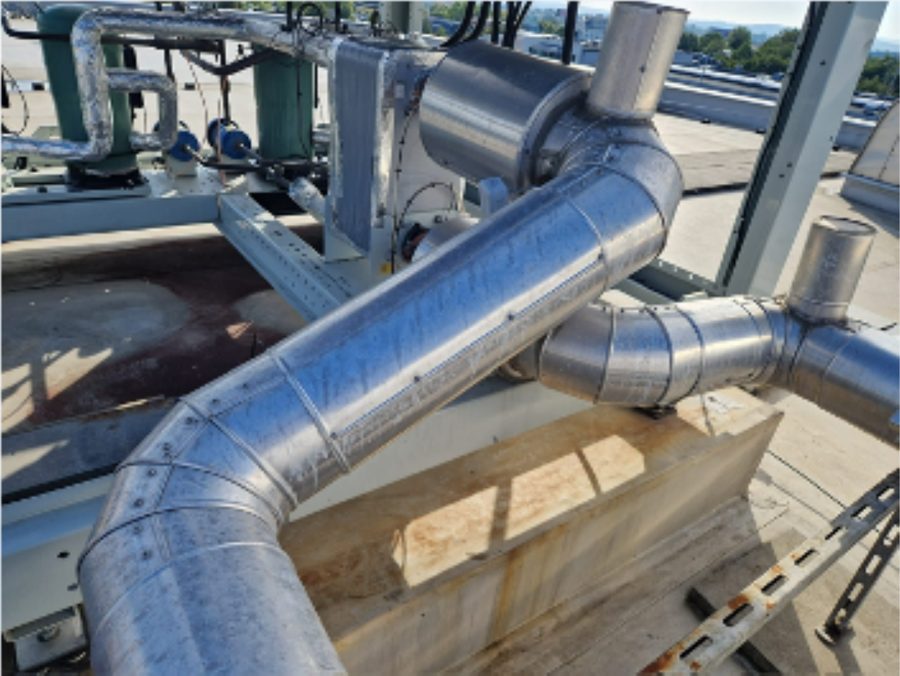
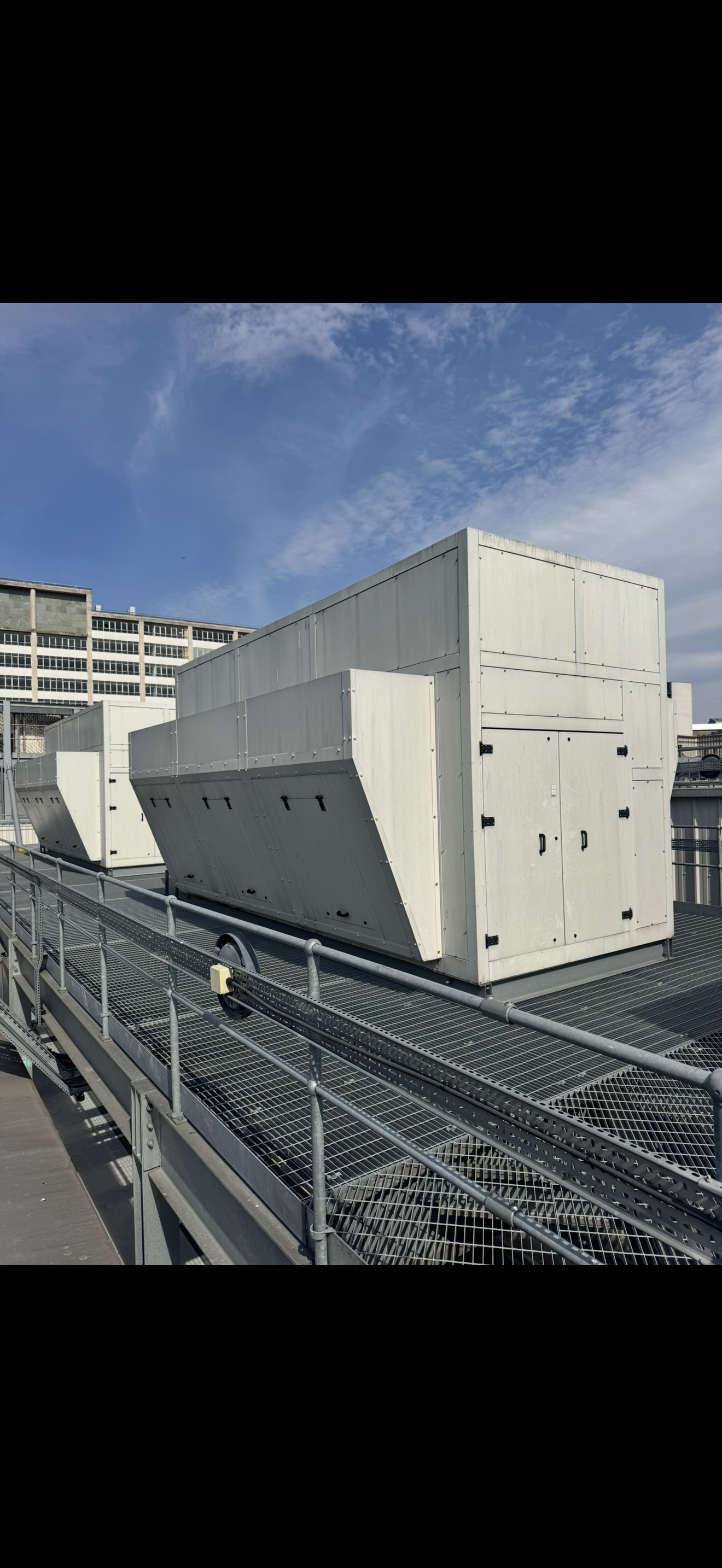 Rooftop cooling plant
Data centres
Start with
your cooling plant.
We work with data centres worldwide to assess OH4 for commercial cooling pipework. Start with a defined pilot and a measurement plan your facilities and engineering teams can review.
Account for cooling demand, IT load and operating conditions when assessing the result.
Explore data centre pilotsSee what actually gets installed
The installation.
From start to finish.
A real installation on a rooftop air-cooled chiller. Swipe through the photographs to see each stage.
SWIPE OR SCROLL ACROSS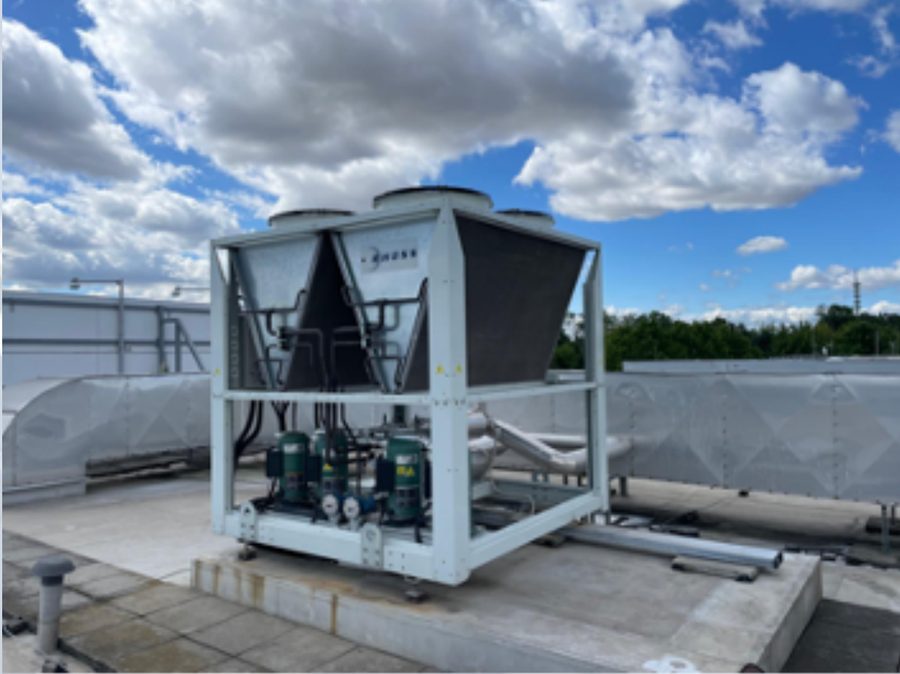
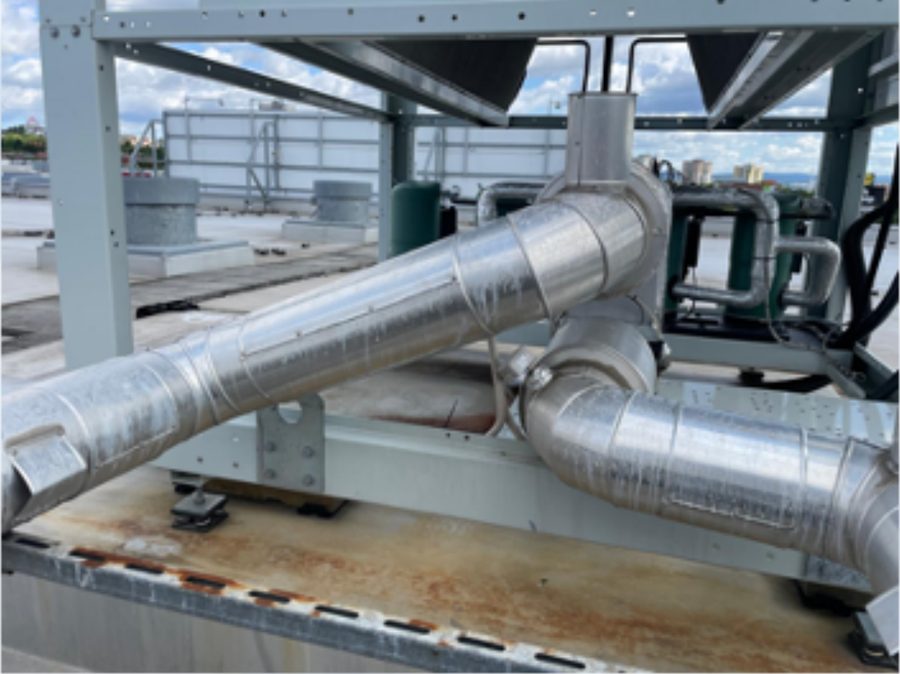
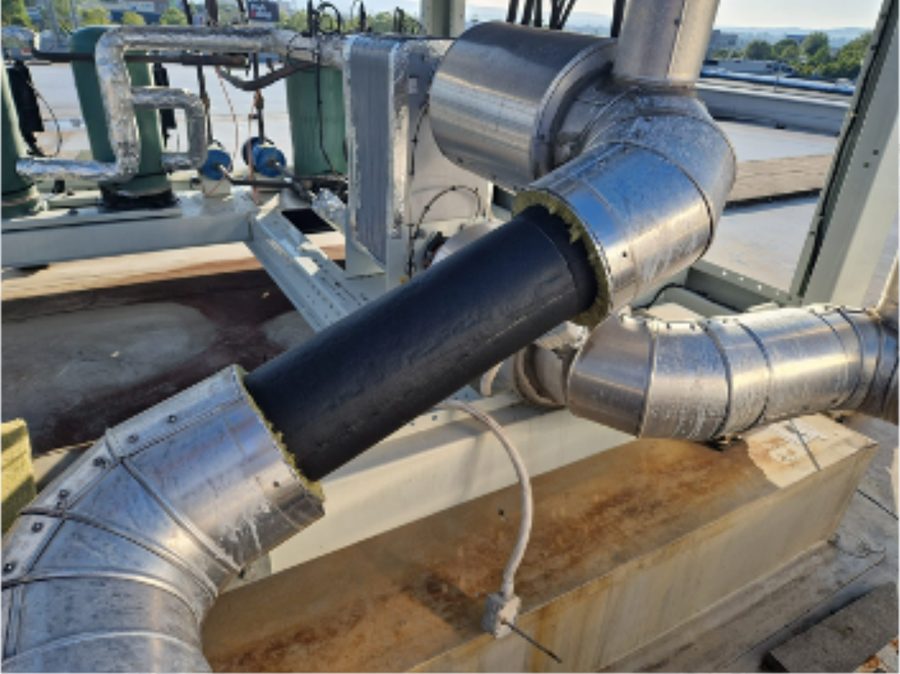
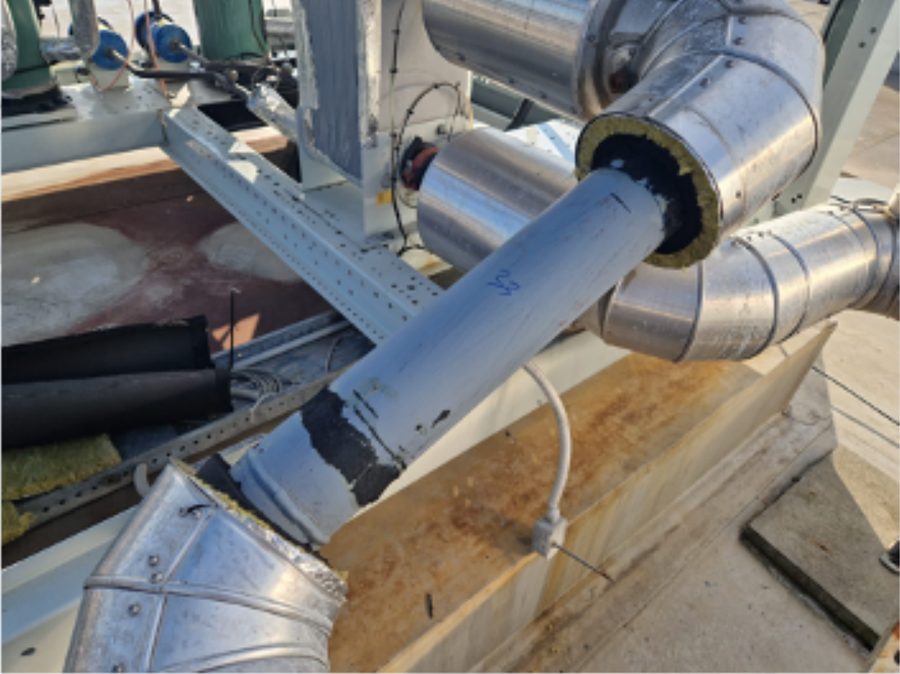
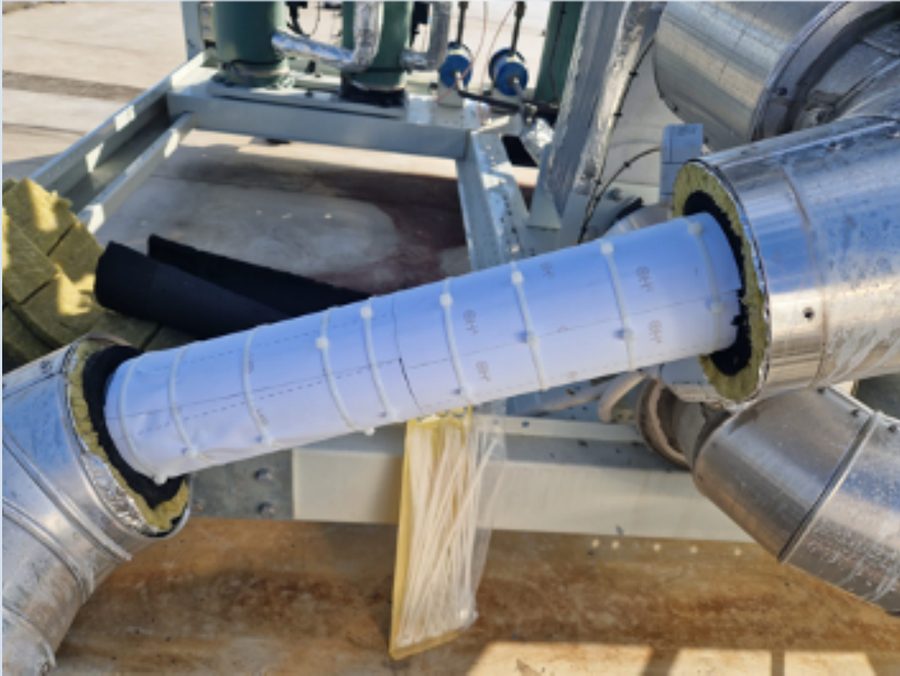
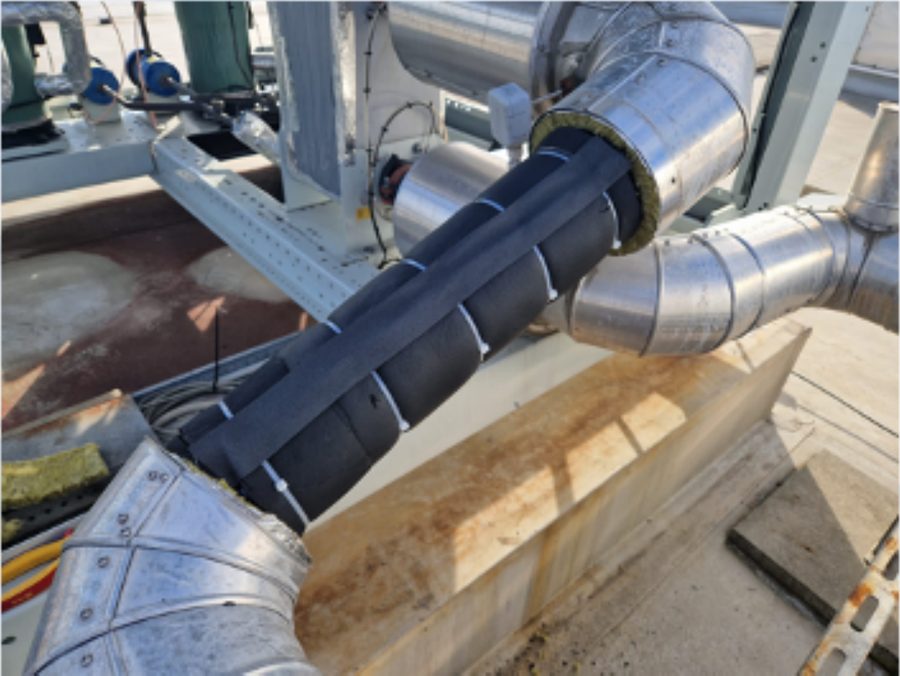
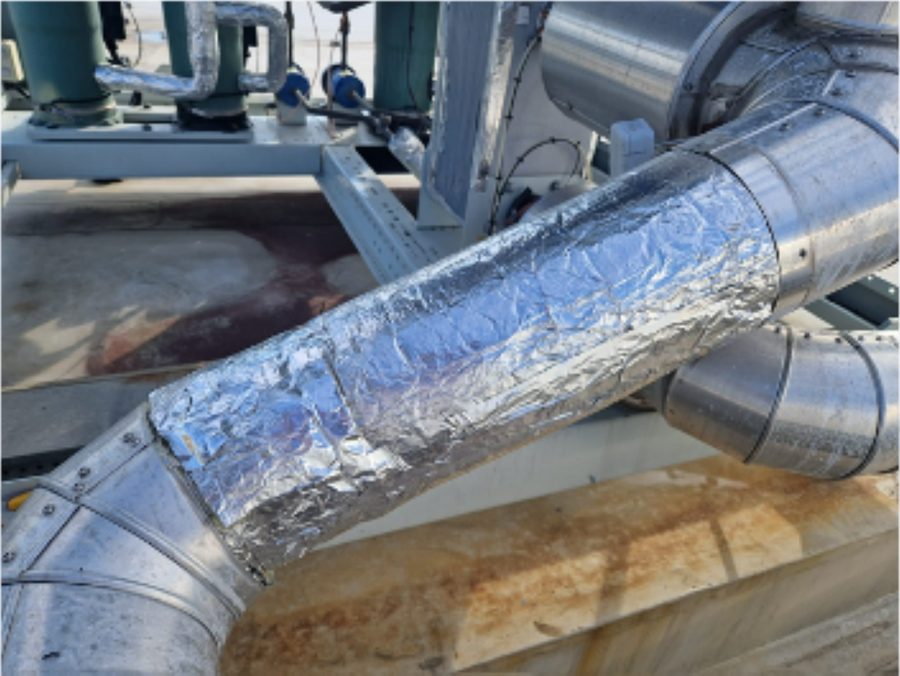
02 / A decision in stages
One building.
Then the
bigger picture.
Give your facilities, engineering and finance teams a measured result to review before considering a wider rollout.
- 01ASSESS
Check the fit.
Start with a free survey. We review the plant and pipework, discuss your site and work out whether a pilot is worth considering.
Request your survey - 02INSTALL & MEASURE
Pilot one building.
Following the survey, we provide a proposal for your building. Agree the scope and measurement method before installation, then assess your own meter readings with site conditions considered.
Discuss your building - 03REVIEW
Let the evidence decide.
Review the result with your facilities, engineering and finance teams. Decide whether it supports a rollout to more buildings.
Review a published result
03 / Published evidence
Real buildings.
Results in context.
These are individual site results from different measurement periods. They are not a forecast for your building.
Reported savings. Read the measurement boundary and adjustment basis alongside each result.
View all nine case studiesFor the person checking the claim
Good questions.
Better decisions.
Involve your building services engineer early. Look at the measurement period, the comparison method and what else changed at the site.
Review the measurement planWhich meters and periods are being compared?
How are weather, occupancy and operating changes handled?
What would make the evidence inconclusive?
A few practical questions
Before you
get in touch.
What do you need from me to get started?
Tell us about the building and its heating or cooling system in the enquiry form. If you have plant room and pipework photos, you can email them to Harry. You do not need to prepare a technical brief to ask a question.
Do we have to commit the whole portfolio?
No. Start with a survey, then consider a pilot on one building. A wider rollout is a separate decision informed by the result.
Does a published result predict our saving?
No. Each case study describes a particular site and measurement period. Your building needs its own assessment and comparison. Read the published study and its measurement basis before drawing conclusions.

Your contact at V1
Harry Fisher
Tell Harry a little about your site. We will discuss whether a free survey is the right place to start.
Harry@v1-energy.com +44 7871 000066